


Bringing home a new puppy is exciting, adorable and, let’s be honest, sometimes completely overwhelming. If you’re feeling unsure about where to start, don’t worry. Puppy training for beginners doesn’t have to mean teaching your puppy dozens of commands or getting everything right from day one.
This guide will walk you through the basics of puppy training for beginners, including what to teach first, how to create a routine and the key areas of training to focus on. You’ll also find links to more detailed guides to help you at every stage of your puppy’s training journey.
Focus on the things that matter most in your day-to-day life. A puppy that goes to the toilet in the garen, doesn’t chase your cat, and won’t jump at your guests is far more important that a puppy that can complete an agility course or perform a dance routine on Britain’s Got Talent.
You can check out my full guide to becoming a new dog owner here: Getting a dog: A complete guide for first-time dog owners.
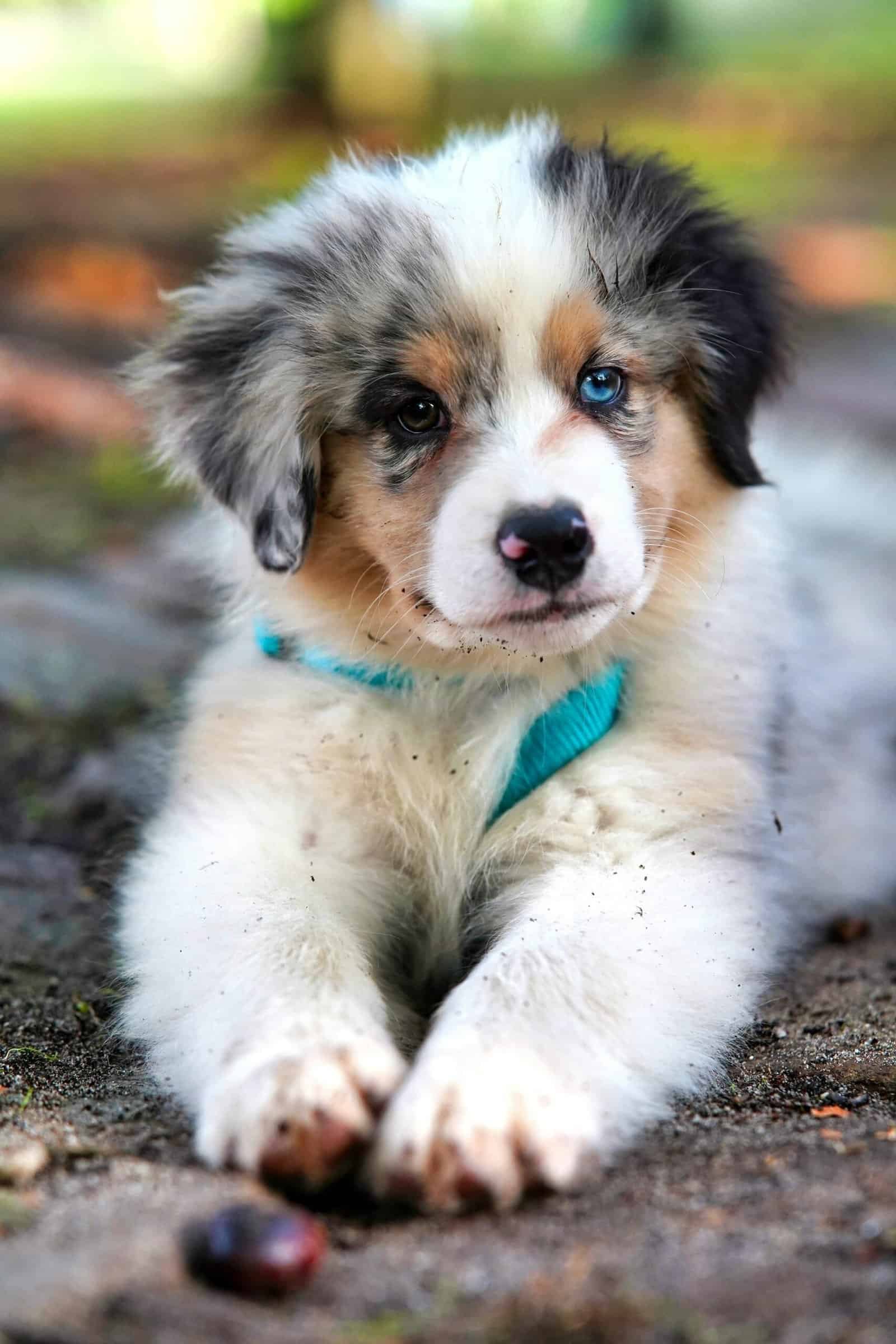
My little puppy
Where should you start with puppy training?
When you first bring your puppy home, it can be tempting to make a huge list of everything you want to teach them.
Sit. Stay. Come back when called. Walk nicely on the lead. Stop biting. Don’t jump on visitors. Don’t eat absolutely everything you find on the floor. But you don’t need to tackle everything at once.
For most new puppies, the best place to start is with the foundations of everyday life.
That usually means focusing on:
- getting your puppy used to their new home
- helping them feel safe and secure
- establishing a routine
- toilet training
- introducing the crate, if you’re using one
- socialising your puppy with the world around them
- beginning to teach simple cues and behaviours
- rewarding the behaviour you want to see more of
The most important thing to remember is that puppy training takes time. Your puppy is learning about an entirely new environment, new people and new expectations.
You don’t need a perfectly trained puppy who can perform tricks on demand within the first week. You need a puppy that feels safe and happy in their new home.
Small, consistent steps are much more important than trying to do everything at once.
Start by creating a routine
One of the most useful things you can do when beginning puppy training is to establish some kind of daily routine.
Puppies thrive when they have opportunities to eat, sleep, play, go to the toilet and learn throughout the day. A routine can also make life a little more predictable for you, especially during those early weeks when it feels like your puppy needs something every five minutes.
Believe it or not, a 12 week old puppy needs 18-20 hours of sleep per day. They aren’t always just going to nap by choice, its up to you to have a routine to make sure they get the rest they need. A tired overstimulated puppy is going to be hard to manage.
I know someone who was loosing their mind with a puppy who never slept – it turned out they were keeping the lights on 24/7 because they didn’t want the puppy to get scared in the dark! a dark and cosy space to relax in is just what the puppy needed.

Your routine doesn’t need to be rigid. In fact, puppies often have their own ideas about how the day should go! Instead, think about creating a general rhythm around:
- waking up
- toilet breaks
- meals
- naps
- playtime
- short training sessions
- walks, when your puppy is old enough to go out
- bedtime
Training can easily be built into your existing routine rather than becoming another huge task on your to-do list.
For example, you might practise your puppy’s name before putting their food bowl down, ask for a simple sit before opening the garden door or reward them for choosing to settle quietly beside you.
When I got my first puppy I had a 9-5 remote working job. Here is the daily routine I followed with my puppy during work days: The Ultimate guide to a productive puppy schedule for remote work.
Focus on toilet training early
Toilet training is often one of the first things new puppy owners think about, and understandably so.
Accidents are a normal part of having a young puppy, but creating a consistent routine can help your puppy begin to understand where you would like them to go to the toilet.
Take your puppy outside at least once an hour for the first couple of weeks. Particularly:
- when they wake up
- after eating or drinking
- after playing
- after exciting activities
- before bedtime
When your puppy goes to the toilet in the right place, calmly reward them with praise and a treat.
Try not to punish accidents. Young puppies are still developing physically and may not yet be able to hold their bladder for very long. Your job is to help set them up for success rather than expecting them to understand everything immediately.
Consistency, patience and plenty of opportunities to get it right can go a long way. Crate training can help with toilet training as a puppy won’t want to soil their sleeping area. We’ll talk more about crate training in the next section.
Introduce crate training gradually
If you’ve decided to use a crate, introducing it positively can make it a useful part of your puppy’s routine. A crate should ideally become somewhere your puppy feels comfortable and safe, rather than somewhere they associate with being shut away or punished.
Using a crate with your puppy can help them with toilet training, and be somewhere to keep them safe from children or other pets. It’s also helpful to use a crate to calm your puppy down if they are getting overstimulated and encourage a nap. It’s a great tool to give you peace of mind your puppy is somewhere safe & out of mischief when leaving them unsupervised too.

Start slowly. You might encourage your puppy to explore the crate voluntarily by placing treats or toys inside and allowing them to go in and out without pressure.
Over time, you can gradually build up the amount of time they spend relaxing inside.
Every puppy is different, so try not to compare your progress with somebody else’s. Some puppies seem happy to settle in their crate almost immediately, while others need more time.
The goal is to create a positive association rather than rushing the process.
READ MORE: Here is a full guide to successful crate training
Don’t have a crate yet? Here is some inspiration to make yours stylishly blend in with your home decor.
Puppy socialisation is an important part of training
When people think about puppy training, they often picture teaching commands such as sit and stay. But socialisation is just as important.
Your puppy is learning about the world around them. Positive, carefully managed experiences can help them become more comfortable with different people, places, sounds and situations. It will make your life easier in the long run to have a calm dog around other people, animals, vehicles, and social settings. So that’s why you need to expose them to these scenarios as a puppy.
Depending on your puppy’s age and vaccination status, this might include safely introducing them to:
- different types of people
- children
- friendly, appropriate dogs
- household sounds
- traffic and outdoor noises
- car journeys
- grooming and handling
- different surfaces and environments
Socialisation doesn’t mean overwhelming your puppy with as many experiences as possible.
The aim is to make experiences positive and manageable. If your puppy appears frightened or overwhelmed, slow things down and give them more space.
Read More: Guides to help you with socialisation
- Get Puppy Socialisaion Right! 7 Tips for visiting family & friends
- 7 Top Tips to Master Visiting Dog Friendly Cafes
Teach your puppy their name
Before worrying about more complicated commands, start with something simple: helping your puppy learn that their name is worth responding to.
Say their name once in a happy tone. When they look at you, reward them with a treat.
This helps your puppy begin to associate hearing their name with paying attention to you.
Keep sessions short and positive. Puppies generally have short attention spans, so a few successful repetitions can be more useful than trying to practise for twenty minutes. Try just practising this skill for the length of time it takes the kettle to boil.
Once your puppy is regularly responding to their name, you can begin building on that attention with other simple exercises.
What should you teach a puppy first?
There isn’t one perfect list of commands that every puppy must learn immediately. However, some useful early skills include:
Responding to their name
This helps your puppy learn to pay attention to you.
Sit
A simple behaviour that can be useful in everyday situations, such as before putting down a food bowl or greeting visitors.
Recall
Teaching your puppy to come back when called is an important skill, although it takes time and practice to build a reliable recall.
Leave it
Puppies are naturally curious, which means they often investigate the world with their mouths. Teaching a positive “leave it” cue can be useful as your puppy grows.
Settle
Learning how to relax is just as valuable as learning active commands. Rewarding calm behaviour can help your puppy understand that they don’t always need to be doing something.
Walking alongside you
Your puppy doesn’t need to master perfect lead walking straight away, but introducing the idea gradually can help build good habits.
Remember that your puppy is still learning. It’s completely normal for training to be inconsistent, particularly when they’re tired, excited or distracted.
Keep puppy training sessions short
One of the biggest mistakes I think new puppy owners can make is assuming that more training is always better. Young puppies don’t need long, intense training sessions.
Instead, try short sessions throughout the day. You could practise for a few minutes in the morning, reward a few good behaviours during playtime and do another short session later in the day.
This can feel much more manageable than setting aside a big block of time every day. It also helps your puppy learn that training is simply part of everyday life.
Use positive reinforcement
Positive reinforcement is a simple idea: when your puppy does something you like, you reward them so they’re more likely to repeat that behaviour.
Rewards might include:
- treats
- praise
- a favourite toy
- play
- access to something your puppy wants
Every puppy is different, so pay attention to what motivates yours. For Honey, food was usually a very convincing motivator!
You don’t need to carry out a formal training session every time you reward your puppy. Everyday life provides plenty of opportunities.
If your puppy chooses to lie down quietly while you’re making a cup of tea, you can reward them. If they come back to you in the garden, reward them. If they sit politely rather than jumping up, reward them.
Over time, those small moments can add up to learning positive behaviours.
Puppy training challenges you might encounter
Even with the best preparation, most puppy owners encounter a few challenges along the way.
Some of the most common include:
- puppy biting and mouthing
- chewing furniture and household items
- accidents in the house
- crying at night
- jumping up at people
- pulling on the lead
- struggling to settle
- ignoring you when something more exciting is happening
The good news is that you don’t need to solve every problem at once. Try to focus on the behaviour that is having the biggest impact on your day-to-day life, and work on that first.
As your puppy grows, you may also find that a problem you thought was solved suddenly reappears. That’s normal too. Puppy development isn’t always a straight line! They do have naughty teenage years as well.
It can be really helpful to work with a dog trainer to give you advice if you are really struggling.
Frequently asked questions about puppy training
What age should you start training a puppy?
You can begin introducing simple training and positive experiences from the moment your puppy comes home at 8 weeks old. Keep expectations age-appropriate and focus on short, positive sessions.
What is the first thing I should train my puppy to do?
Many puppy owners start with the foundations of everyday life, including toilet training, responding to their name and settling into a routine. You can then gradually introduce simple cues and behaviours.
How long should puppy training sessions be?
Young puppies generally benefit from short, positive sessions. A few minutes at a time can be plenty, particularly when you repeat training naturally throughout the day.
How do I train my puppy if I’ve never owned a dog before?
Start with the basics and try not to do everything at once. Focus on helping your puppy settle into their new home, establish a routine, begin toilet training and gradually introduce socialisation and simple training exercises.
Is puppy training difficult for beginners?
It can definitely feel overwhelming at first, particularly when you’re trying to manage toilet accidents, biting, sleepless nights and everything else that comes with a new puppy. But you don’t need to become an expert overnight. Taking things one step at a time and being consistent can make the process feel much more manageable.
Final thoughts on puppy training for beginners
If there’s one thing I hope you take away from this guide, it’s that you don’t need to have everything figured out straight away.
Puppy training for beginners is about building strong foundations, creating positive habits and helping your puppy gradually learn how to live in the human world.
Because while the puppy stage can sometimes feel chaotic, it’s also the beginning of an incredible journey with your dog.



Leave a Reply