

Getting your first dog is incredibly exciting, but choosing the right breed can feel a little overwhelming. From energetic adventure buddies to cuddly couch companions, there are so many wonderful dogs to choose from. But which are the best dogs for first time owners?
The good news is that you don’t need years of dog-owning experience to become a brilliant dog parent. What matters most is finding a dog whose personality, exercise needs and care requirements fit your lifestyle.
Let’s find your perfect match!
Important Note: Adopting a dog from a rescue centre can be a fantastic way to find your perfect match. You can meet adult dogs, get a feel for their personalities and see if they are a good fit for you. This is something to consider before buying a puppy.
Before buying a puppy, please read the Dogs Trust guide on How to find a responsible dog breeder.
1. Labrador Retriever

Best for: Active individuals and families looking for a friendly, adaptable companion
It’s hard to make a list of the best dogs for first time owners without including the ever-popular Labrador Retriever. These lovable dogs are known for their friendly personalities, enthusiasm for life and eagerness to be involved in absolutely everything.
Labradors are generally sociable, affectionate and keen to learn, making them a popular choice for first-time owners. They can be wonderful family dogs and often enjoy meeting new people and making friends with other dogs. They have low grooming needs.
They’re also brilliant companions for anyone who enjoys an active lifestyle. Think countryside walks, beach trips, woodland adventures and the occasional muddy puddle that your Labrador simply cannot resist.
Things to consider: Labradors are energetic dogs that need plenty of exercise, mental stimulation and training. Young Labs can be particularly bouncy, and their enthusiasm for greeting people doesn’t always match their size! They also shed quite a lot, so expect a little dog hair around the house.
Is a Labrador right for you? If you have time for daily walks, enjoy getting outdoors and want a sociable dog to share your adventures, a Labrador could be a wonderful first dog.
2. Golden Retriever

Best for: Families and owners who want an affectionate, trainable dog
Golden Retrievers have earned their reputation as friendly, gentle and devoted companions. With their beautiful golden coats and famously loving personalities, it’s easy to understand why they’re such a popular choice.
They’re typically eager to please, which can make training more enjoyable for first-time owners. Many Goldens love learning new tricks, playing games and spending time with their humans. They’re also often very people-oriented, so don’t be surprised if your Golden follows you from room to room!
These dogs tend to thrive in homes where they’re included in everyday family life. They’re often happiest when they’re part of the action rather than left to entertain themselves for long periods.
Things to consider: Golden Retrievers need regular exercise, consistent training and plenty of companionship. Their coats require frequent brushing, particularly during shedding seasons. It’s also important to research the breed’s health risks and choose a responsible breeder who carries out appropriate health screening.
Is a Golden Retriever right for you? If you want a loving, active companion and have the time to invest in training, grooming and daily adventures, a Golden Retriever could be an excellent choice.
3. Cavalier King Charles Spaniel

Best for: People looking for a small, affectionate companion
If your ideal dog is one who enjoys a lovely walk followed by a cosy afternoon on the sofa, the Cavalier King Charles Spaniel might catch your eye.
These small spaniels are often affectionate, gentle and keen to be around their people. They can suit a range of households, including those without a garden, provided they receive appropriate exercise, enrichment and opportunities to explore.
Their smaller size can also make everyday life a little easier if you’re looking for a dog that’s simpler to transport or take on days out.
Cavaliers still have a playful side, though. Many enjoy sniffy walks, training games and exploring new places just as much as they enjoy a cuddle.
Things to consider: Cavaliers can become very attached to their owners, so gradually teaching them to feel comfortable alone is important. Their silky coats need regular brushing, and their long ears require routine checks.
It’s particularly important to research this breed’s health. Cavaliers are predisposed to serious inherited conditions, including mitral valve disease and syringomyelia. Speak to your vet and investigate health screening carefully before choosing one.
Is a Cavalier right for you? If you’re looking for a small, loving companion and can provide plenty of company, a Cavalier may be worth considering, provided you’re prepared to take its health needs seriously.
4. Miniature or Toy Poodle

Best for: Owners who enjoy training and want a clever, low-shedding dog
Poodles are intelligent, lively and wonderfully versatile dogs. Available in different sizes, they can suit a variety of homes, although Toy and Miniature Poodles are often more manageable for people looking for a smaller companion.
Their intelligence makes them enthusiastic learners, and they often enjoy training sessions, puzzle toys and activities that challenge their minds. This can be particularly rewarding for a first-time owner who wants to build a strong bond with their dog.
Another bonus? Poodles have coats that shed relatively little compared with many other breeds, which can appeal to people who would prefer less loose hair around the house.
However, low-shedding doesn’t mean low-maintenance!
Things to consider: Poodles need regular brushing and professional grooming to keep their coats healthy and comfortable. They also need mental stimulation, exercise and consistent training. Their clever brains can quickly find their own entertainment if you don’t provide enough!
Is a Poodle right for you? If you enjoy teaching your dog new things and are happy to budget for regular grooming, a Miniature or Toy Poodle could be a great companion.
5. Bichon Frise

Best for: People looking for a cheerful, small companion
With their fluffy white coats and happy expressions, Bichon Frises look a little like walking teddy bears. They’re generally cheerful, playful and affectionate, making them a lovely option for people who want a smaller dog with plenty of personality.
Bichons often enjoy being around people and can adapt well to different home environments. Their exercise needs are usually manageable, with daily walks, playtime and enrichment helping them stay happy and healthy.
They’re also a good reminder that small dogs aren’t just lap dogs. Bichons can be lively little characters who enjoy learning, exploring and getting involved in family life.
Things to consider: Their beautiful coats require regular brushing and professional grooming to prevent painful mats and tangles. Bichons can also struggle with being left alone if they haven’t been taught to cope with separation gradually.
Like any breed, they benefit from early socialisation, positive reinforcement training and clear, consistent boundaries.
Is a Bichon Frise right for you? If you want a cheerful little companion and don’t mind the grooming commitment, this fluffy breed could be a lovely fit.
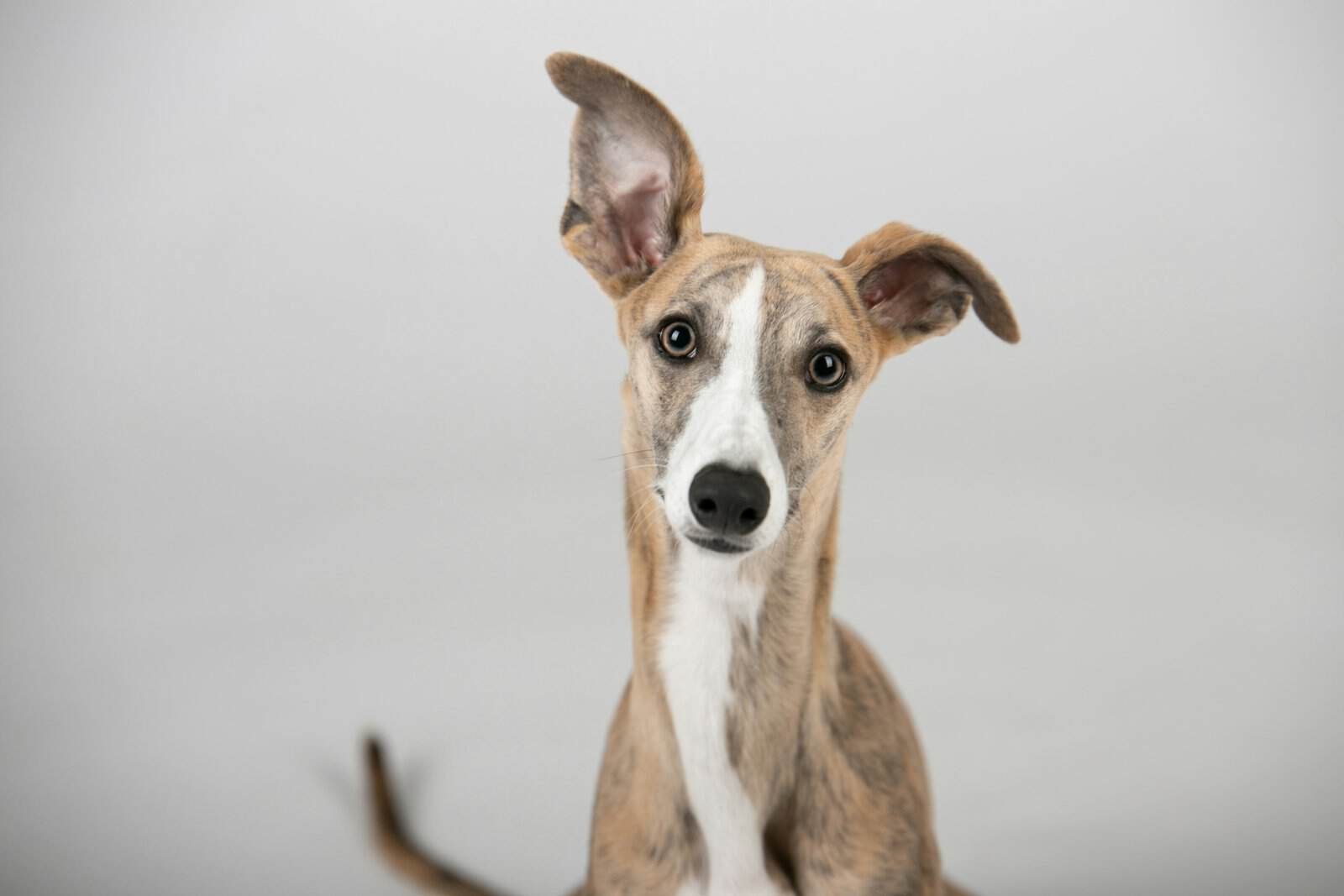
6. Whippet

Best for: Owners who enjoy walks but also appreciate a relaxed home life
Whippets might surprise you on a list of the best dogs for first time dog owners. These elegant dogs are built for speed, but at home, many are affectionate, gentle and very enthusiastic about finding the comfiest spot on the sofa.
They generally have short coats that are easy to maintain, and their exercise needs can be more manageable than you might expect from such athletic dogs. They still need daily walks and opportunities to run safely, but many are happy to spend the rest of the day relaxing.
Whippets can make wonderful companions for people who enjoy getting outside without necessarily wanting a dog that needs hours of intense activity every day.
Things to consider: Whippets have a strong chase instinct, so recall and safe off-lead exercise need careful consideration. A secure, enclosed space is particularly useful, and some may chase small animals.
Their short coats offer little protection from cold weather, meaning a well-fitting dog coat can be useful on chilly British walks. They also need comfortable, warm places to rest.
Is a Whippet right for you? If you want a gentle companion with a sporty side, and you’re happy to manage their chasing instincts, a Whippet could be a brilliant choice.
7. Greyhound

Best for: People who want a larger dog with a surprisingly laid-back side
Like Whippets, Greyhounds are known for their speed, but life with a Greyhound is often much more about comfortable naps than constant running.
Many retired racing Greyhounds make affectionate companions, although individual temperaments and needs vary. They can be gentle and quiet at home, and their short coats are relatively easy to care for.
For first-time owners, adopting an adult Greyhound can have advantages. You may have a better idea of their established personality and energy levels than you would with a young puppy.
However, every rescue dog needs time to settle into a new environment, and a retired racing Greyhound may need to learn everyday home routines from scratch.
Things to consider: Greyhounds have a strong prey drive, so they may not be suitable for homes with cats or small animals. Careful introductions and advice from the rescue organisation are essential. Off-lead exercise should only take place in an appropriate secure area unless you have reliable, individually assessed recall.
Their size also means you’ll need enough space for a comfortable bed and room to stretch out.
Is a Greyhound right for you? If you like the idea of adopting an adult dog and can accommodate their particular needs, a Greyhound could make a wonderful first companion.
8. Papillon

Best for: Owners who want a small dog with a big personality
Don’t let their tiny size fool you. Papillons are intelligent, curious and often surprisingly energetic, with plenty of enthusiasm for training and exploring.
Their name comes from the French word for butterfly, inspired by their distinctive ears. They’re often quick learners and can enjoy activities such as trick training, agility and interactive games.
Because they’re small, they’re relatively easy to take along on adventures, and their grooming needs are often more manageable than those of some other long-coated breeds.
Papillons can be a lovely option for first-time owners who want a small dog that’s more than happy to get involved in everyday activities.
Things to consider: Papillons are alert, active dogs that need mental stimulation as well as walks. Without appropriate training and enrichment, they may develop nuisance barking or other unwanted behaviours.
Their small size also means they need gentle handling and careful supervision around young children and larger dogs.
Is a Papillon right for you? If you want a small, clever dog and enjoy spending time on training and play, a Papillon could be a rewarding companion.
9. Shih Tzu

Best for: People looking for a small companion with moderate exercise needs
Shih Tzus were bred to be companion dogs, and they’re often happiest when they can spend time close to their favourite people.
They’re generally affectionate little dogs who can suit a variety of homes, including smaller properties. They usually enjoy regular walks and playtime without needing the same level of exercise as some working or sporting breeds.
Their friendly, companionable nature can appeal to people who want a dog to share everyday life with, rather than a running partner for long-distance adventures.
Things to consider: Shih Tzus have coats that require frequent brushing and regular professional grooming if kept long. Their flat faces can also make them vulnerable to breathing difficulties, overheating and eye problems.
If you’re considering this breed, look for a responsible breeder prioritising healthy facial structure and good breathing, and discuss the breed’s health needs with your vet.
Is a Shih Tzu right for you? If you want a small companion and can commit to grooming and careful health management, a Shih Tzu could suit your lifestyle.
10. English Cocker Spaniel

Best for: Active owners who want an affectionate dog with plenty of character
English Cocker Spaniels are happy, affectionate dogs who often love exploring the great outdoors. Their enthusiasm for sniffing, investigating and following interesting scents makes them excellent companions for countryside walks.
They’re generally people-oriented and can be keen learners when training is fun and rewarding. Many enjoy games, retrieving toys and activities that let them use their natural instincts.
However, Cockers are working gundogs, and their energy levels can be considerable, particularly in working lines. It’s important to consider the individual dog’s breeding and temperament rather than assuming every Cocker will have the same needs. If you want a slightly less energetic spaniel, look for a show line instead of a working line.
Things to consider: Cocker Spaniels need regular exercise, mental stimulation, training and coat care. Their ears need routine attention, and their enthusiasm for following scents can make recall a work in progress.
Working line Cockers may need considerably more activity and structured outlets than some owners expect.
Is an English Cocker Spaniel right for you? If you enjoy long walks, outdoor adventures and training, and have the time to meet an active dog’s needs, a Cocker Spaniel could be a wonderful first dog.
So, which dog is best for first time owners?
The best dog for first time owners isn’t necessarily the most popular breed or the one with the cutest puppy photos. It’s the dog whose needs fit comfortably into your everyday life.
Before making a decision, think about:
- Exercise: How much time can you realistically dedicate to daily walks and play?
- Grooming: Are you happy to brush regularly or pay for professional grooming?
- Time at home: How long will your dog be left alone, and how will you help them feel comfortable?
- Training: Are you ready to invest time in toilet training, recall, loose-lead walking and settling calmly?
- Budget: Can you afford food, insurance, routine veterinary care, grooming and unexpected expenses?
It’s also worth considering an adult rescue dog. Puppies are adorable, but they require a huge amount of time, patience and supervision. An adult dog with a known temperament may be a better fit for some first-time owners.
Remember, no breed is completely effortless. Every dog needs appropriate exercise, enrichment, positive training, veterinary care and companionship. Researching health issues and finding a responsible breeder or reputable rescue organisation are important steps, too.
Most importantly, choose a dog because you can meet its needs, not just because you love the way it looks.
With the right match, a little preparation and plenty of patience, your first dog could become one of the most rewarding additions to your life. Hopefully this list of best dogs for first time owners has helped inspire you. Here’s to muddy paws, happy walks and a whole lot of tail wagging!


Leave a Reply