


The first few weeks and months of bringing home a puppy are an incredibly important time for helping your puppy learn about the world.
From meeting different types of people to hearing the vacuum cleaner, travelling in the car and walking over different surfaces, there are hundreds of everyday experiences that your puppy can gradually learn to feel comfortable with. I’ve put together this puppy socialisation checklist to help you keep track of the experiences your puppy has had – and, just as importantly, the ones they still need to experience.
A well-socialised puppy isn’t necessarily one that wants to say hello to everyone and everything. Instead, the aim is to help your puppy feel safe and confident when faced with the sights, sounds, people, animals and situations they are likely to encounter throughout their life.
Check out my full guide on everything you need to know about Getting a Dog.

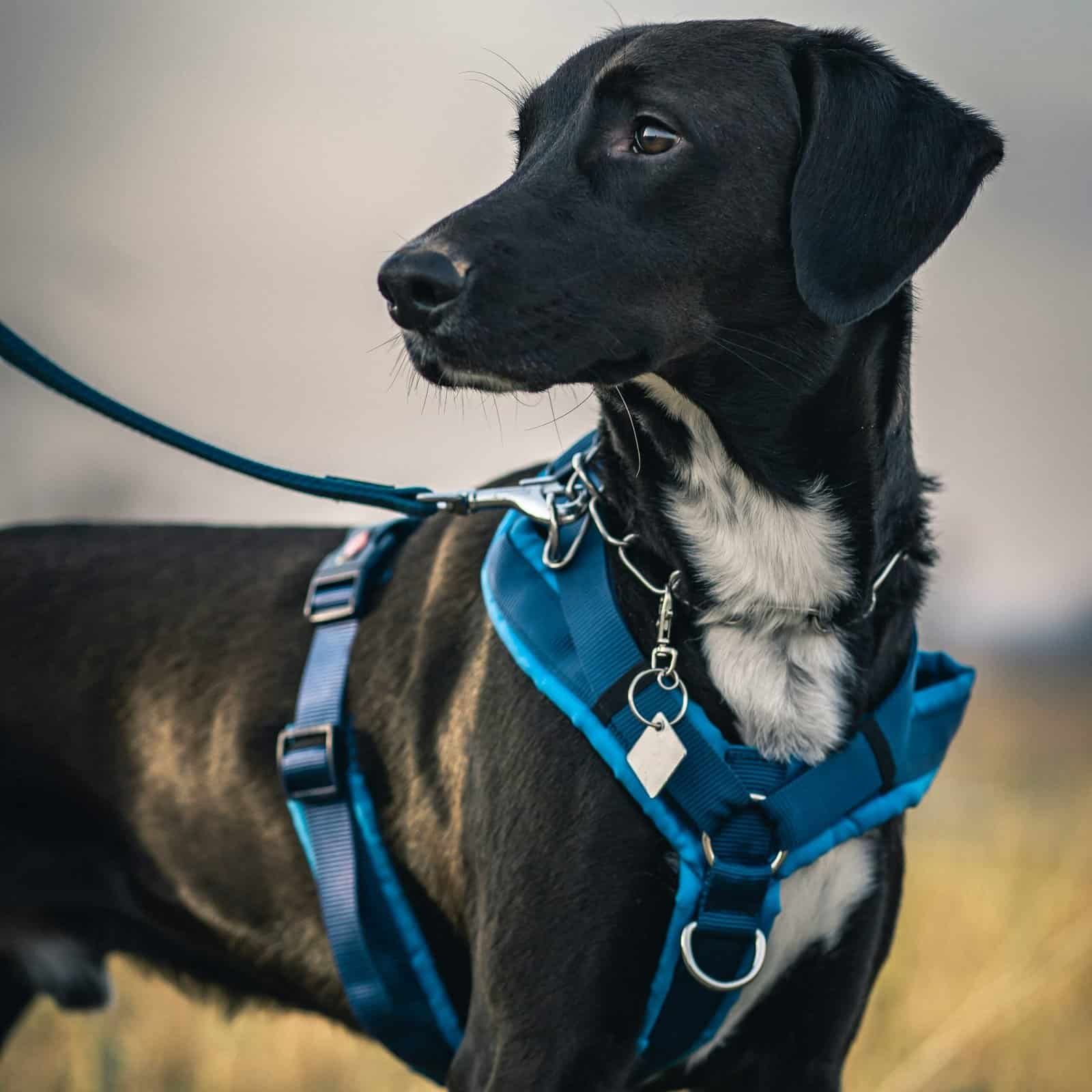
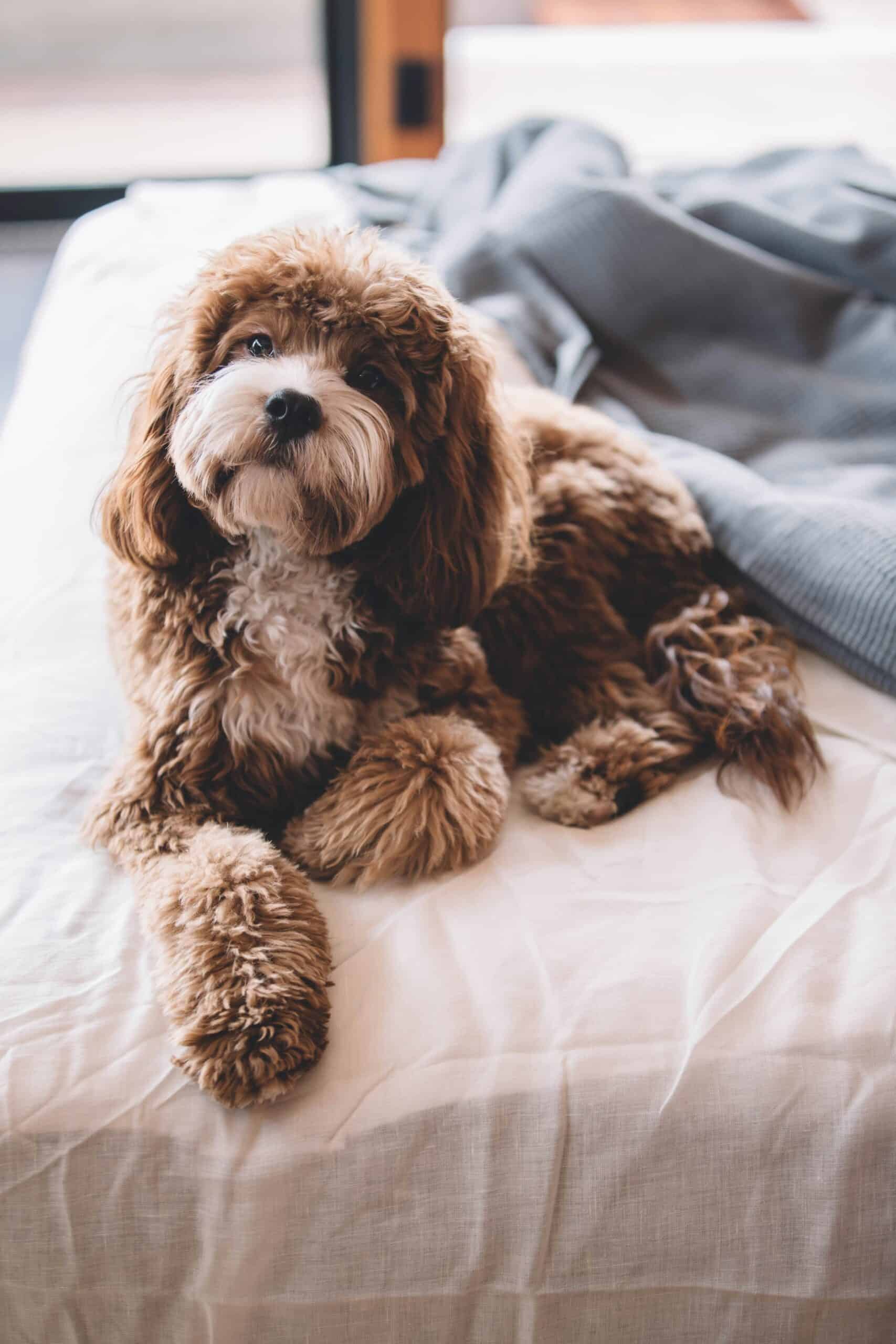
Photo by Vlad D on Unsplash
Remember: puppy socialisation isn’t about rushing through a huge list as quickly as possible. Introduce new experiences gradually, keep them positive and always give your puppy the option to move away if they’re worried.
Puppy socialisation checklist
You don’t need to complete this checklist in order, and you certainly don’t need to tick everything off in a single week. Think of it as a list of ideas to work through gradually while your puppy is young.
People
Try to introduce your puppy to a wide variety of people, rather than simply lots of people who look and behave like your immediate family. You can do this by taking your dog out to public places. Try sitting on a park bench or dog friendly restaurant and watching the people around you.
- Men
- Women
- Young adults
- Older people
- Babies
- Toddlers
- Older children
- Teenagers
- People wearing glasses
- People wearing hats
- People with hoods up
- People wearing high-visibility clothing
- People wearing uniforms
- People carrying bags
- People carrying umbrellas
- People using walking sticks
- People using wheelchairs
- People using mobility scooters
- People with beards
- People of different races
- People with different voices and accents
- Visitors coming into your home
- People knocking at the door
- Someone entering the house unexpectedly
Don’t feel that every person your puppy meets needs to touch or interact with them. Calmly watching people from a comfortable distance is valuable socialisation too.
Read More: Top tips for visiting family and friends with your new puppy.
Other dogs and animals
Meeting other animals is an important part of socialisation. The goal is to have a dog that is calm and friendly around other dogs, cats & household pets. It’s also important to try and prevent your dog from chasing wildlife when out on walks.
- A calm, friendly adult dog
- A friendly puppy
- A larger dog
- A smaller dog
- Dogs of different breeds
- Dogs with different coat types
- A cat
- Birds
- Horses
- Cows
- Sheep
- Rabbits
- Squirrels
- Wildlife from a safe distance
Your puppy doesn’t need to play with every dog they see. In fact, learning that they can calmly notice another dog without rushing over to say hello is an extremely useful skill.
Before your puppy is fully vaccinated, speak to your vet about which dogs and places are safe for them to experience. Guidance can vary depending on your puppy’s vaccination status and the disease risks in your area.
Things around the home

Your house is full of strange sights and sounds from a puppy’s perspective! Gradually introduce your puppy to the everyday household objects and activities on this puppy socialisation checklist, so they can feel calm and settled in their home.
- Vacuum cleaner
- Hairdryer
- Washing machine
- Tumble dryer
- Dishwasher
- Kettle
- Microwave
- Food processor
- Blender
- TV
- Radio
- Doorbell
- Knocking on the door
- Telephone ringing
- Keys jangling
- Opening and closing doors
- Curtains opening and closing
- Someone moving furniture
- DIY noises
- Drill
- Hammer
- Broom
- Mop
- Spray bottle
- Umbrella opening indoors
- Guests coming into the house
You don’t need to deliberately make everything noisy. Let your puppy experience normal household life at a level they can cope with.
If your puppy is frightened by the vacuum cleaner, for example, don’t switch it on right beside them and expect them to get used to it. Start with the vacuum switched off and at a distance, reward calm behaviour, and gradually build up from there.
Sounds
Some sounds are difficult to recreate naturally, particularly if your puppy is young and hasn’t yet encountered them. They are more likely to experience these sounds when out and about on walks.
- Traffic
- Car horns
- Motorbikes
- Buses
- Lorries
- Trains
- Aeroplanes
- Sirens
- Ambulances
- Fire engines
- Dogs barking
- Dogs whining
- Children playing
- Babies crying
- Doorbells
- People shouting
- Thunder
- Heavy rain
- Wind
- Fireworks
- Music
- Loud TV
- Parties and gatherings
For sounds such as fireworks and thunderstorms, you can use recordings played quietly at home and gradually increase the volume over time, provided your puppy remains relaxed.
The important thing is not to overwhelm your puppy. If they become frightened, turn the sound down or stop and try again another time.
Places and environments
Once your puppy is able to safely explore the world according to your vet’s advice, gradually expose them to different environments.
- Quiet residential street
- Busy road
- Quiet park
- Woodland
- Countryside
- Town centre
- Village
- Pet-friendly café
- Friends’ house
- Family member’s house
- Vet practice
- Pet shop
- Outdoor seating area
- Car park
- Train station
- Somewhere with lots of people
- Somewhere relatively quiet
- Somewhere with traffic
- Somewhere with other dogs
- Somewhere with children
- Somewhere with unfamiliar smells
Don’t feel as though you need to take your puppy somewhere exciting every day. Just make sure to try and do a variety of dog walks away from your usual route once or twice a week.
Read More: 7 Top Tips to Master Visiting Dog Friendly Cafes.
🐾 Different surfaces and textures
Puppies will encounter lots of different surfaces throughout their lives.
- Carpet
- Wooden floor
- Laminate floor
- Tiles
- Concrete
- Grass
- Wet grass
- Mud
- Sand
- Gravel
- Stones
- Wooden decking
- Metal
- A mat
- A rug
- A different type of pavement
- A bridge
- A shallow puddle
- A safe, slightly uneven surface
At home, you can create simple experiences using safe household objects and different textures. Always supervise your puppy and avoid anything that could hurt them, be swallowed or become tangled around their legs.
Travel and transport

Getting your puppy comfortable with travelling can make future adventures much easier.
- Sitting in a stationary car
- A short car journey
- A longer car journey
- Driving on quiet roads
- Driving on busy roads
- Stopping at a petrol station
- Being secured in a car crate
- Being secured with a suitable car harness
- Seeing bicycles
- Seeing motorbikes
- Seeing buses
- Seeing lorries
- Seeing tractors
- Hearing traffic while travelling
- Travelling somewhere new
- Stopping at Motorway services
- Travelling on a bus
- Travelling on a train
Start with very short journeys and build up gradually. If your puppy struggles with car travel, go back to an easier stage rather than pushing through.
Handling, grooming and vet visits
Socialisation isn’t only about exciting adventures. Learning to calmly accept everyday handling is incredibly useful too. You want them to be comfortable at regular vet check ups, and also for any medications you may need to administer at home too.
- Having their ears touched
- Having their paws handled
- Having their nails touched
- Having their mouth examined
- Having their teeth looked at
- Having their tail handled
- Having their body gently examined
- Being brushed
- Having their collar put on
- Having a harness put on
- Wearing their harness
- Being lifted
- Standing on scales
- Visiting the vet
- Sitting in the waiting room
- Meeting veterinary staff
- Having treats from someone wearing veterinary clothing
- Hearing the sounds of a vet practice
Keep handling sessions short and positive.
This is also a great opportunity to practise the things your puppy may need to tolerate throughout their life, such as having their ears checked or paws examined.
Children and babies

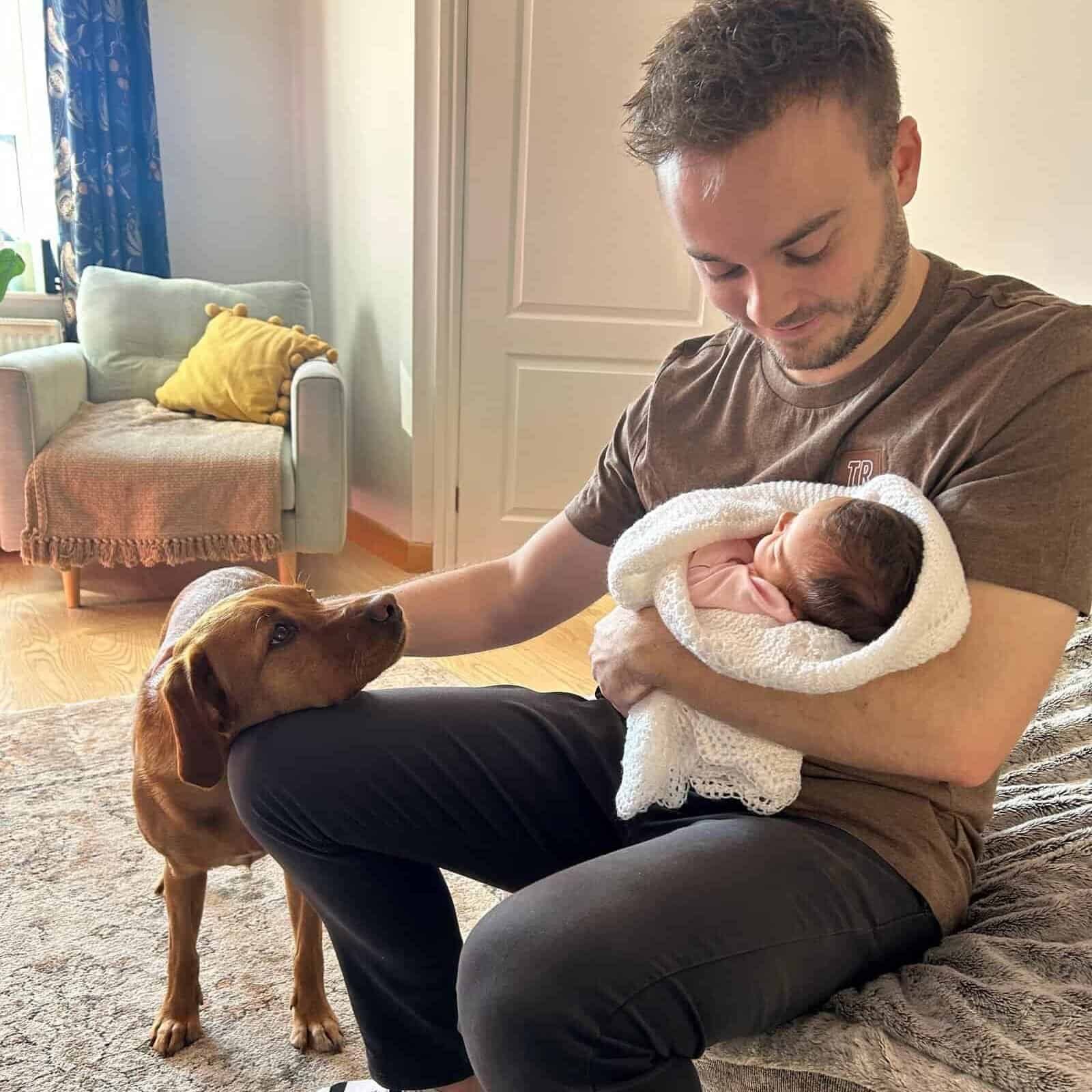
Photo by Picsea on Unsplash
If your puppy is likely to live around children, or encounter them regularly, they should have opportunities to experience children in a calm and positive way. Children can be small, loud, and unpredictable which can spook puppies.
- A baby crying
- A baby moving
- A toddler walking
- Children playing quietly
- Children running
- Children making noise
- Children riding bikes or scooters
- Children playing with toys
- Children approaching calmly
- Children moving unpredictably
Always supervise interactions between puppies and children.
Your puppy should also have somewhere they can retreat to when they have had enough. Socialisation should never mean allowing children to overwhelm a puppy.
Everyday experiences
There are plenty of little experiences that might seem completely unimportant to us but can be very strange to a puppy.
- Post arriving through the letterbox
- A delivery driver at the door
- Someone putting the bins out
- The bin lorry emptying bins
- Umbrellas
- Raincoats
- Hats
- Sunglasses
- Backpacks
- Shopping bags
- Suitcases
- Balloons
- Bicycles
- Scooters
- Skateboards
- Prams
- Wheelchairs
- Walking sticks
- People running
- People jogging
- People shouting
- Someone wearing unusual clothing
- The window cleaner
Helping your puppy become comfortable with quiet time is an important part of raising a well-rounded dog. Don’t feel that you have to fill every waking minute with new experiences.
Training experiences
Socialisation and training go hand in hand.
As well as exposing your puppy to different experiences, you can gradually introduce the skills they’ll need to navigate everyday life.
- Wearing a collar
- Wearing a harness
- Toilet training on different surfaces
- Going into their crate
- Being in a training class around other dogs (if you choose to do this)
- Being calm around food
- Ignoring distractions
- Responding to their name
- Walking past another dog calmly
- Walking past people calmly
What is puppy socialisation?
Puppy socialisation is the process of gradually introducing your puppy to the people, animals, environments, sounds, objects and experiences they are likely to encounter throughout their life. It’s about helping your puppy learn that new things can be safe and manageable. It helps to build trust with you, their owner, that you will keep them safe around new experiences.
Socialisation doesn’t mean forcing your puppy to interact with everything.
For example, a well-socialised puppy doesn’t necessarily need to greet every dog they see. They might simply look at another dog, remain calm and continue walking with you.
The same applies to people. Your puppy doesn’t need to be cuddled by every stranger. Learning to calmly observe people from a comfortable distance is also valuable.
Make new experiences positive, introducing them gradually and avoid too many new experiences at once.
When should you start socialising a puppy?
Puppy socialisation should begin as early as possible.
PDSA describes the main socialisation period as occurring during the first few months of life, with puppies particularly receptive to new experiences between around four and twelve weeks.
This means socialisation shouldn’t wait until your puppy is old enough to go for normal walks. You can do many of the experiences from this puppy socialisation checklist before your puppy has their vaccinations.
There are lots of safe experiences you can introduce at home, in your garden where appropriate, and by carrying your puppy outside to experience the sights and sounds of the world.
Your breeder should also have begun socialising your puppy before they come home, which is one reason it’s worth asking about the experiences your puppy has already had.
How to socialise a puppy before vaccinations
This is one of the things that can cause new puppy owners a lot of confusion.
You don’t necessarily have to keep your puppy inside until their vaccination course is complete, but you do need to take sensible precautions to reduce their risk of infectious diseases.
Exactly what is safe will depend on your puppy, their vaccination status and the disease risk in your area, so speak to your vet for advice specific to your puppy.
Depending on your vet’s advice, socialisation before vaccinations can include:
- Carrying your puppy outside
- Sitting in the garden
- Watching people and traffic from a safe place
- Hearing everyday outdoor sounds
- Meeting people at home
- Experiencing different household sounds
- Exploring safe surfaces indoors
- Travelling in the car
- Meeting known, fully vaccinated dogs in an appropriate private environment
Blue Cross similarly recommends carrying puppies when out and about before they are fully vaccinated, while avoiding contact with dogs of unknown vaccination status and potentially contaminated areas.
Don’t be tempted to delay all socialisation until your puppy can go for walks. Ask your vet what is safe in your area and make the most of the experiences you can give them.
How to socialise a puppy without overwhelming them
This is probably the most important part of the entire puppy socialisation checklist. You don’t win at puppy socialisation by ticking off the most experiences. You win by helping your puppy feel safe.
Imagine taking a nervous puppy into a busy town centre, allowing ten strangers to stroke them, introducing them to five dogs and then taking them into a noisy café.
Technically, you’ve exposed them to lots of new experiences. But if your puppy spent the entire time frightened and overwhelmed, it hasn’t been particularly helpful.
Instead:
Start small
If your puppy is nervous about traffic, begin somewhere quiet where they can watch cars from a distance. Sit with them in a car park where cars are driving slow.
Watch their body language
Look for signs that your puppy is becoming uncomfortable, such as trying to move away, hiding, freezing, excessive lip licking, yawning or appearing unusually tense.
Give them space
Your puppy should always have the opportunity to move away from something that worries them.
Use rewards
Treats, toys and praise can help your puppy form positive associations with new experiences.
Keep experiences short
A few minutes of successful exposure can be much more valuable than a long session that leaves your puppy exhausted.
Don’t rush
If your puppy isn’t ready for something, there’s no prize for forcing it.
PDSA specifically recommends building experiences up gradually and taking your puppy home for a rest if they become tired, stressed or over-excited.
Does my puppy need to meet every dog?
No! This is one of the biggest misconceptions about puppy socialisation.
The goal isn’t to teach your puppy that every dog is a potential playmate. This can backfire in the future if your puppy pulls or runs off to greet other dogs all the time. Don’t forget some dogs are nervous and could bark at or bite your puppy.
Instead, you want them to become comfortable around different dogs and learn appropriate ways of behaving around them.
A puppy who can see another dog on the other side of the road and calmly continue walking with you is demonstrating a really useful social skill.
Choose your puppy’s doggy friends carefully. A calm, friendly adult dog can provide a much better experience than another over-excited puppy. An older dog can teach your puppy the acceptable social rules of play.
If you’re attending puppy classes, look for a reputable class that uses reward-based training and has appropriate vaccination requirements.
How many new experiences should a puppy have each day?
There isn’t a magic number that every puppy needs to hit. Some puppies will happily cope with several short experiences in a day, while others may become overwhelmed much more quickly.
Rather than trying to check everything off this puppy socialisation checklist, use it for inspiration and pay attention to how your puppy is coping.
If your puppy has had a busy morning meeting people, travelling somewhere new and hearing lots of unfamiliar noises, they may benefit from a quiet afternoon at home. Socialisation should be balanced with plenty of sleep, rest and familiar routines.
Also, prioritise the experiences most relevant to your lifestyle. For example if you have nieces and nephews that visit regularly, exposure to children might be high on your priority list.
What if my puppy is scared of something?
A puppy being nervous about a new experience doesn’t mean you’ve ruined their socialisation. The most helpful thing you can do is avoid forcing them to confront whatever is frightening them.
Move them further away, give them time to settle and try again later at a lower level of difficulty.
For example, if your puppy is scared of traffic:
Too much: standing right beside a busy road.
Better: sitting somewhere quiet enough that your puppy can see and hear traffic from a comfortable distance.
Reward calm behaviour with fuss and treats, and gradually decrease the distance as your puppy becomes more confident.
If your puppy is consistently very fearful or you’re worried about their behaviour, speak to your vet or a suitably qualified reward-based behaviour professional.
Puppy socialisation mistakes to avoid
It’s easy to get carried away when you’ve read about the importance of the socialisation period.
Try to avoid these common mistakes:
❌ Trying to tick everything off at once
You don’t need to complete this checklist in a week.
❌ Forcing your puppy to interact
Your puppy should never be dragged towards something they’re frightened of.
❌ Assuming socialisation means meeting lots of dogs
Learning to calmly coexist with dogs is just as useful as playing with them.
❌ Ignoring your puppy’s body language
If they’re telling you they’re uncomfortable, listen.
❌ Overdoing busy environments
A quiet, successful experience is better than an overwhelming one.
❌ Forgetting about rest
Puppies need a huge amount of sleep. They can’t spend all day exploring the world.
❌ Waiting until vaccinations are complete
Speak to your vet about safe ways to socialise your puppy before they are fully vaccinated.
A simple puppy socialisation schedule
If the checklist feels overwhelming, try choosing just one or two new experiences at a time.
For example:
Monday:
Meet a new person at home.
Tuesday:
Listen to a new household sound.
Wednesday:
Visit somewhere new in the car.
Thursday:
Practise handling paws and ears.
Friday:
Watch traffic from a safe distance.
Saturday:
Meet a calm, vaccinated dog if your vet says it’s appropriate.
Sunday:
Have a quiet day at home.
The exact experiences aren’t important. What matters is gradually helping your puppy become comfortable with the world around them.
Your puppy socialisation checklist
If you don’t manage to tick everything off, don’t worry! This isn’t a test, and there is no perfect puppy socialisation checklist that every dog needs to complete.
Your puppy is an individual. Some things will be completely normal for them while others may take considerably more time.
The aim is to give them lots of positive, manageable experiences, while teaching them that they can rely on you when something feels unfamiliar.
And remember that socialisation doesn’t stop once your puppy reaches a certain age.
Continuing to give your dog positive experiences throughout their life can help maintain their confidence as they encounter new situations.
Final thoughts
Puppy socialisation can feel like another huge job to add to the already enormous list of things you’re learning as a new puppy owner.
But it doesn’t have to be complicated. Instead, look at your ordinary life and think about the things your puppy will eventually need to feel comfortable with.
The vacuum cleaner. The postman. The car. Children playing. Rain. A trip to the vet. Someone wearing a hat. A busy pavement. A quiet Sunday at home.
Those everyday experiences are your puppy’s socialisation opportunities.
Take them slowly, keep them positive and let your puppy set the pace. And if you don’t tick every box on this list? That’s absolutely fine.
The goal isn’t to raise a puppy who has experienced everything. It’s to help raise a puppy who feels safe, confident and ready to experience the world with you.



Leave a Reply