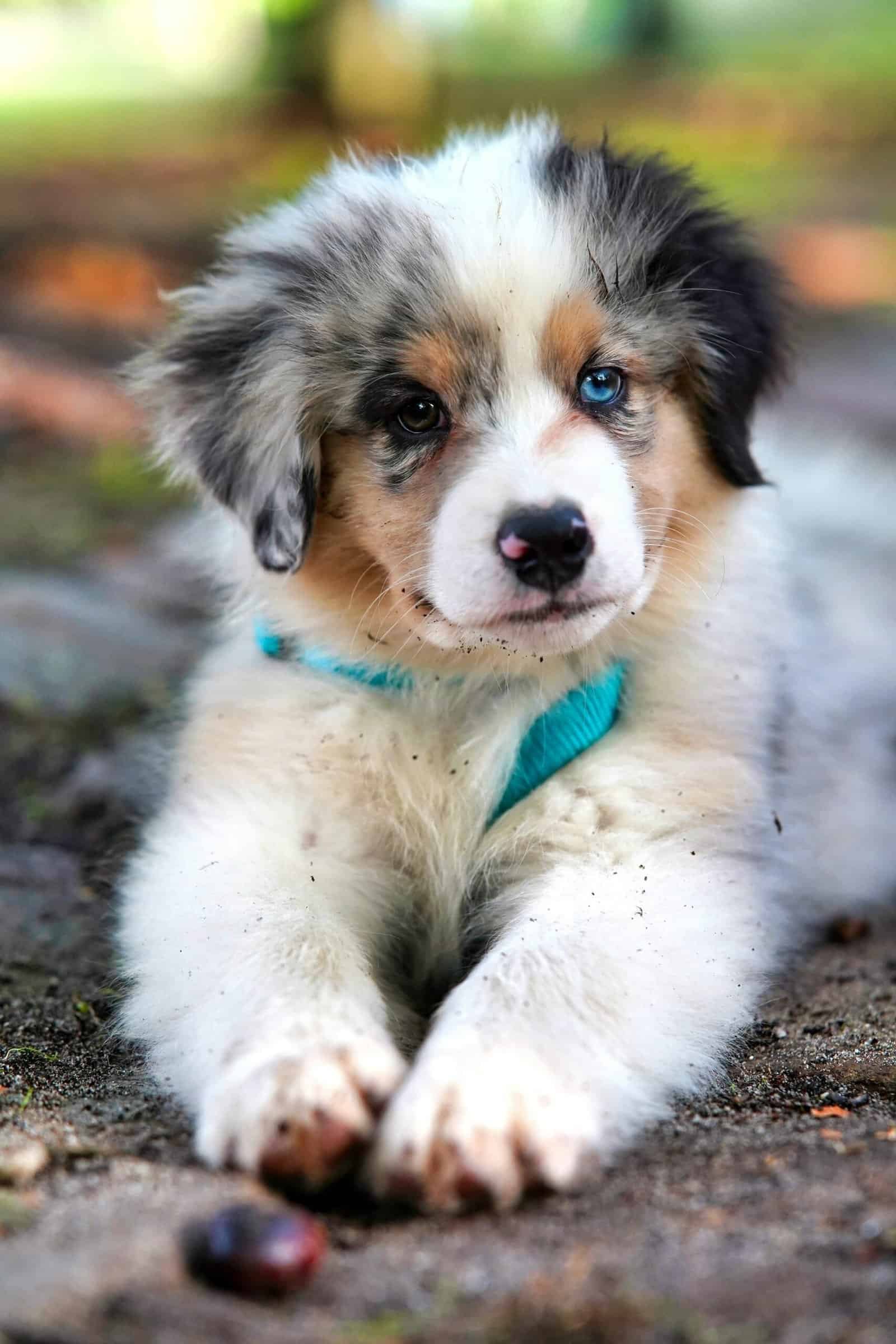
Bringing home a puppy is one of the most exciting moments for any dog lover. Along with all the excitement comes plenty of preparation, and having a clear plan can make those first few weeks much less overwhelming. If you’re wondering where to begin, this new puppy checklist covers everything you need to do before your puppy arrives.
From preparing your home and buying the right equipment to planning training, socialisation and your daily routine, these simple steps will help set both you and your puppy up for success.
Whether this is your very first dog or it’s simply been a few years since you last had a puppy, use this guide as your complete new puppy checklist before the big day.
Visit my full post on Getting a Dog: A full guide for first time dog owners.

Why preparation matters
Puppies are curious, energetic and eager to explore everything around them. While that’s part of their charm, it also means they’ll quickly find anything you’ve forgotten to prepare.
Taking a little time before your puppy comes home helps you:
- Create a safe environment
- Reduce stress during the first few days
- Build a consistent routine from day one
- Avoid unnecessary last-minute shopping
- Give your puppy confidence as they settle into their new home
The better prepared you are, the more enjoyable those early weeks will be.
1. Puppy-proof your home
Just like baby-proofing, puppy-proofing removes potential hazards before your puppy discovers them.
Work through each room and look for anything they could:
- Chew
- Swallow
- Climb onto
- Knock over
Pay particular attention to:
- Electrical cables
- Houseplants
- Cleaning products
- Medicines
- Children’s toys
- Shoes
- Food left within reach
Here is my full guide on How To Puppy Poof Your House
Check Your Garden too
Ensure all gates and fences are secure and your puppy can’t escape.
Make sure all your plants are pet-friendly.
Read More: Dog Safe Cottage Garden Plants to Beautify Your Outdoor Space
2. Buy the puppy essentials
One of the biggest jobs on your new puppy checklist is gathering everything you’ll need before collection day.
Some essentials include:
- Food recommended by the breeder or rescue centre
- Food and water bowls
- Crate
- Comfortable bed
- Blanket
- Collar
- Lead
- ID tag
- Harness
- Puppy-safe toys
- Chews
- Treat pouch
- Enrichment toys
- Puppy shampoo
- Poo bags
You don’t need every gadget available. Focus on quality items that your puppy will use every day.
Read More: Dog Essentials Checklist: Everything You Need For Your New Dog
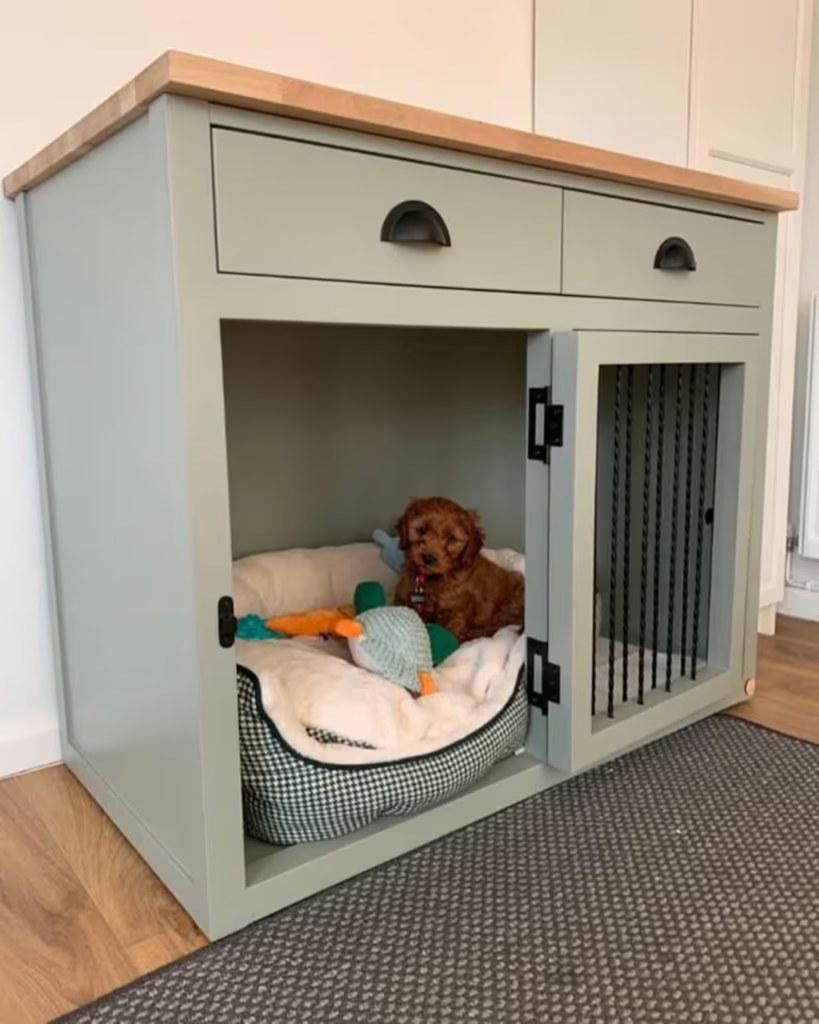
3. Choose the right crate
Many new owners worry about crate training, but when introduced properly, a crate becomes your puppy’s safe space. I have no regrets crate training my puppy, it particularly made travelling so much easier when we took our crate with us wherever we went and she felt right at home.
Read More: Crate Training a Puppy: Your Guide to Success
A suitable crate should be large enough for your puppy to:
- Stand up
- Turn around
- Lie comfortably
Adding soft bedding, a blanket and safe chew toys helps create a calm environment.
Crates can also help with:
- Toilet training
- Preventing destructive behaviour
- Creating routine
- Safe travel
Need help making a dog crate a stylish addition to your home? Check out these blog posts:
- Dog Crate Furniture Inspiration: DIY Ideas & Top Etsy Picks!
- Dog Crate Covers: Do They Really Help Calm Your Dog?
4. Plan your puppy’s daily routine
Puppies thrive on consistency and structure. Before your puppy arrives, think about how each day will look. Factor in your households daily schedules.
Include:
- Meal times
- Toilet breaks
- Nap times
- Play sessions
- Short training sessions
- Quiet time
Young puppies sleep for around 18-20 hours each day, so don’t worry if they spend much of the day snoozing.
A predictable routine helps puppies settle much faster.
As someone who works from home, here is the schedule I followed with my puppy: A Productive Puppy Schedule for Remote Workers
5. Find a local vet
Don’t wait until your puppy is unwell to register with a veterinary practice. Book an initial health check soon after collection and ask about:
- Vaccinations
- Flea treatment
- Worming
- Microchipping
- Neutering advice
- Pet insurance recommendations
Having a trusted vet already chosen gives you peace of mind. Save their number in your phone and you know who to call in an emergency.
If you need help finding a vet in your local area, you can use The Royal College of Veterinary Surgeons’ “Find a Vet” directory.
6. Arrange pet insurance
No one likes thinking about accidents, but unexpected veterinary bills can quickly become expensive. Many insurers allow cover to start from the day you collect your puppy.
Compare:
- Lifetime cover
- Annual limits
- Excess
- Dental cover
- Behavioural treatment
- Waiting periods
Choosing insurance early means your puppy is protected from the beginning.
7. Start thinking about training
Training starts from the moment your puppy walks through the door. They need to learn some basic skills to adjust to life in their new home.
The good news is that training sessions actually only need to be very short with a puppy. My dog trainer told us to use the time it took the kettle to boil to practise a skill 3-4 times a day. Puppies can’t focus much longer than that!
When your puppy first comes home, Focus on:
- Learning their name
- Recall
- Sit
- Leave
- Go to bed
- Calm behaviour
- Handling paws and ears
Reward-based training builds confidence while strengthening your relationship. when you’ve got a few basics down you can work on harder skills like walking to heel and fetch.
Have a look at this article from the Dogs Trust on Positive Reward Based Training.

8. Prepare for toilet training
Toilet training doesn’t happen overnight. Expect plenty of accidents during the first few weeks, and get prepared. You can prepare by:
- Removing any rugs on the floor where you can
- Buying plenty of paper towels and an enzyme based cleaner specific to dog messes
Help your puppy succeed by taking them outside:
- After sleeping
- After eating
- After drinking
- After playing
- Every hour initially
Celebrate every success with praise and treats.
Consistency is far more effective than punishment.
9. Make time for socialisation
One of the most important parts of your new puppy checklist is planning safe socialisation. Socialisation isn’t simply meeting lots of dogs: It’s about introducing your puppy to the world gradually.
Examples include:
- Different people
- Children
- Men wearing hats
- Umbrellas
- Vacuum cleaners
- Traffic
- Bicycles
- Different flooring
- Veterinary clinics
- Groomers
- Shops
- Cafes
Positive experiences now build confident adult dogs. So make sure to plan some outings to get your new dog familiar with the big wide world. Ensure they have their vaccinations before walking them in public though!
Read More:
- The Ultimate Puppy Socialisation Checklist: 100+ things to introduce your puppy to
- Get Puppy Socialisaion Right! 7 Tips for visiting family & friends
- 7 Top Tips to Master Visiting Dog Friendly Cafes

10. Prepare everyone in the household
If you live with family members, make sure everyone understands the rules before your puppy arrives.
Agree things like:
- Feeding times
- Sleeping arrangements
- Furniture rules
- Training commands
- Walking responsibilities
Consistency prevents confusion for your puppy.
11. Stock up on enrichment
Mental stimulation is just as important as physical exercise. Puppies can’t go on long walks that are too long while their joints are still developing. A rough guide rule is 5 minutes walking for every month of age, up until about a year. so a 12 week old puppy = 15 minutes walking.
There will be times when your puppy has a lot of energy to burn but it’s not time to go for a walk: thats where enrichment toys & activities come in handy. The mental stimulation will tire out your puppy just as well.
Simple enrichment activities include:
- Snuffle mats
- Lick mats
- Food puzzles
- Frozen treats
- Stuffed Kongs
- Safe chew toys
Keeping your puppy mentally busy helps prevent boredom and unwanted behaviour.
Here are 5 Enrichment Toys to Tire Out Your Puppy
12. Be realistic about the first few weeks
Every puppy settles differently. Some sleep through the first night. Others cry, struggle with toilet training or need extra reassurance. That’s completely normal.
Try not to compare your puppy with others online. Building trust takes time, patience and consistency. Remember that you’re both learning together.
Your Complete New Puppy Checklist
Working through this new puppy checklist before your puppy arrives means you’ll spend less time worrying and more time enjoying those unforgettable first weeks together.
Bringing home a puppy is a huge milestone, but with the right preparation it becomes far less daunting. Remember that you don’t need to be a perfect owner from day one. Puppies are incredibly adaptable, and what matters most is providing a loving, safe environment where they can learn and grow.
As you tick off each item on your new puppy checklist, you’ll be building the foundations for a happy, confident companion for years to come.
Frequently Asked Questions
What should be on a new puppy checklist?
A good new puppy checklist includes puppy-proofing your home, buying essential supplies, choosing a vet, arranging insurance, planning training, preparing a routine and learning about socialisation before your puppy arrives.
When should I start preparing for a puppy?
Ideally, begin preparing two to four weeks before collection day. This gives you plenty of time to buy supplies, puppy-proof your home and organise your schedule.
What are the most important puppy essentials?
Food, bowls, a crate, bed, collar, harness, lead, toys, treats and safe chew items are the most important essentials to have ready before bringing your puppy home.
Do I need a crate for my puppy?
While not essential for every owner, many trainers recommend crate training because it can support toilet training, provide a safe resting space and help puppies settle into a routine.
How much should I budget before getting a puppy?
In addition to the purchase price, you’ll need to budget for equipment, vaccinations, food, insurance, training classes and ongoing veterinary care. Planning these costs in advance helps avoid surprises during your puppy’s first year.
Here is every cost I encountered in my first year of owning a puppy: The Realistic Cost of Owning a Dog in the UK